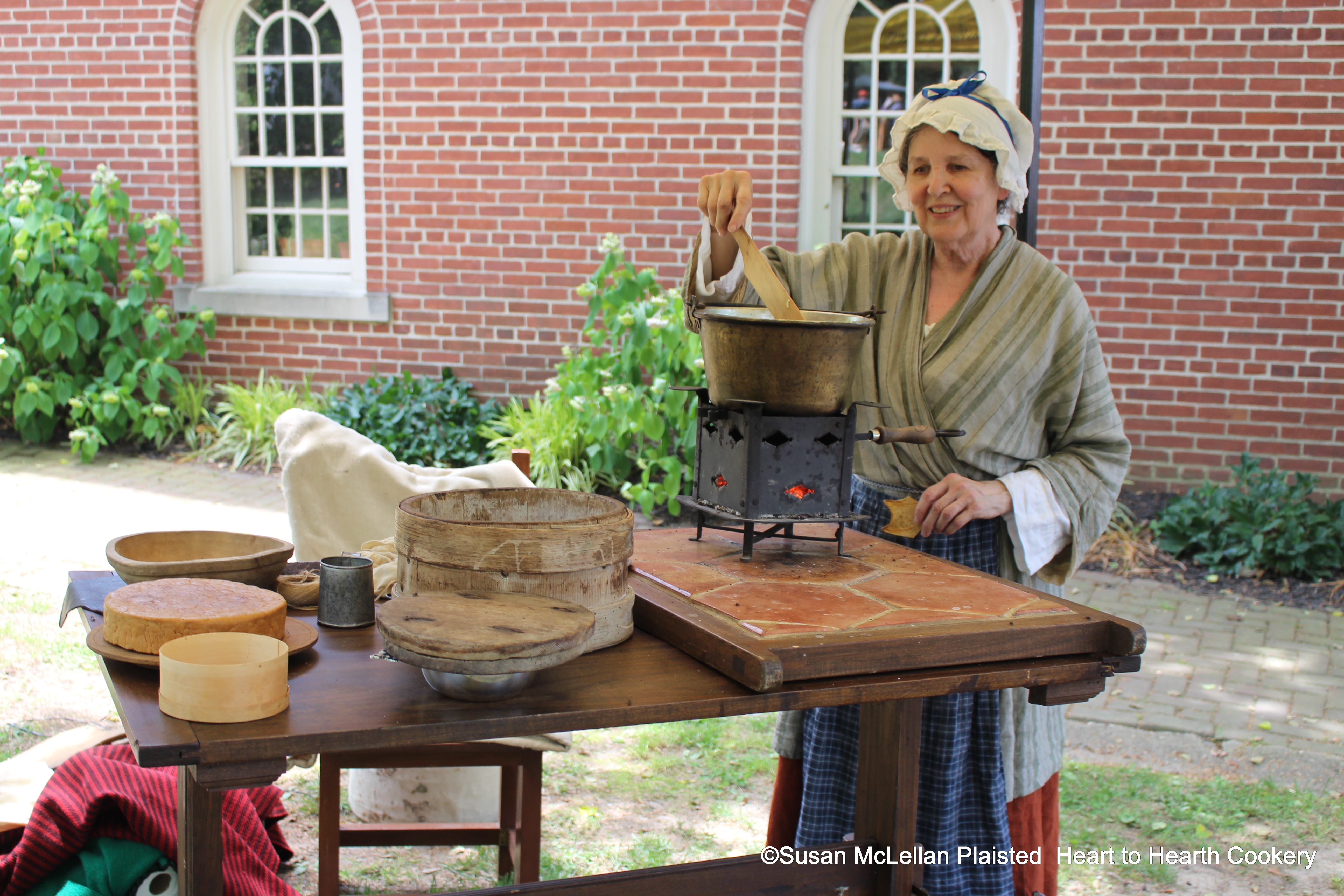
Cheesemaking: The 18th Century Whey
The cheesemaking process is demonstrated with rennet and raw milk and shows the preparation of both soft and hard cheeses. Actual demonstration is available only during the months that milk was available in the 18th century. Presentations, showing all aspects of the cheesemaking process are available year round. Very popular!
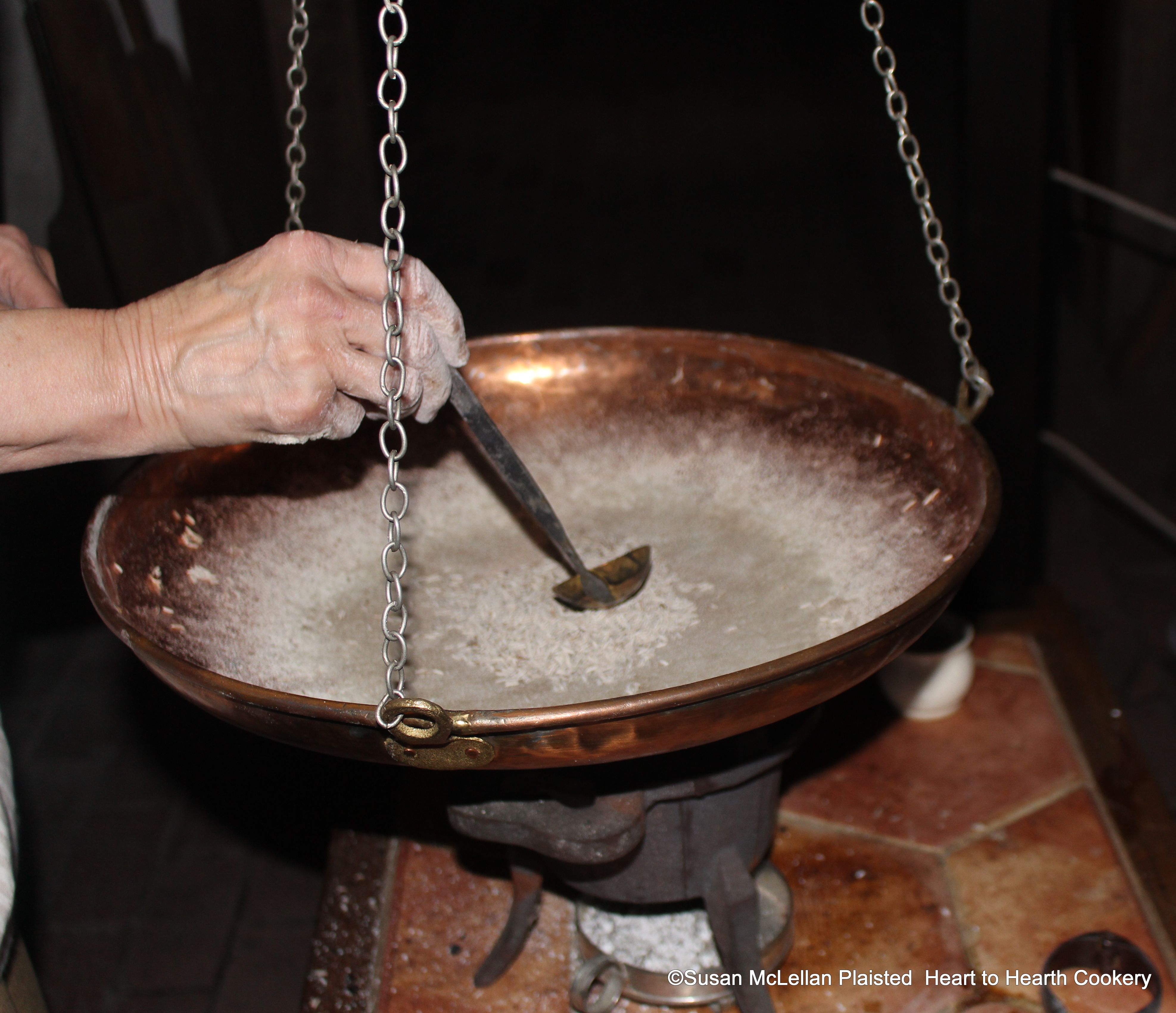
Comfit Making
The most popular comfits in the 18th century were caraway comfits which are caraway seeds coated with multi-layers of sugar using a comfit pan. This demonstration requires the use of a brazier for the comfit pan and either another brazier or a hearth for preparing the sugar syrup. The process is fascinating to watch!

Chocolate
The most popular of the chocolate programs is a display of raw cacao beans, chocolate cake and other chocolate paraphernalia with chocolate samples. A second option is the use of a heated metate to produce a chocolate cake from chocolate nibs in addition to the first option. The third option is an even longer program with the roasting of raw cacao beans and hulling.
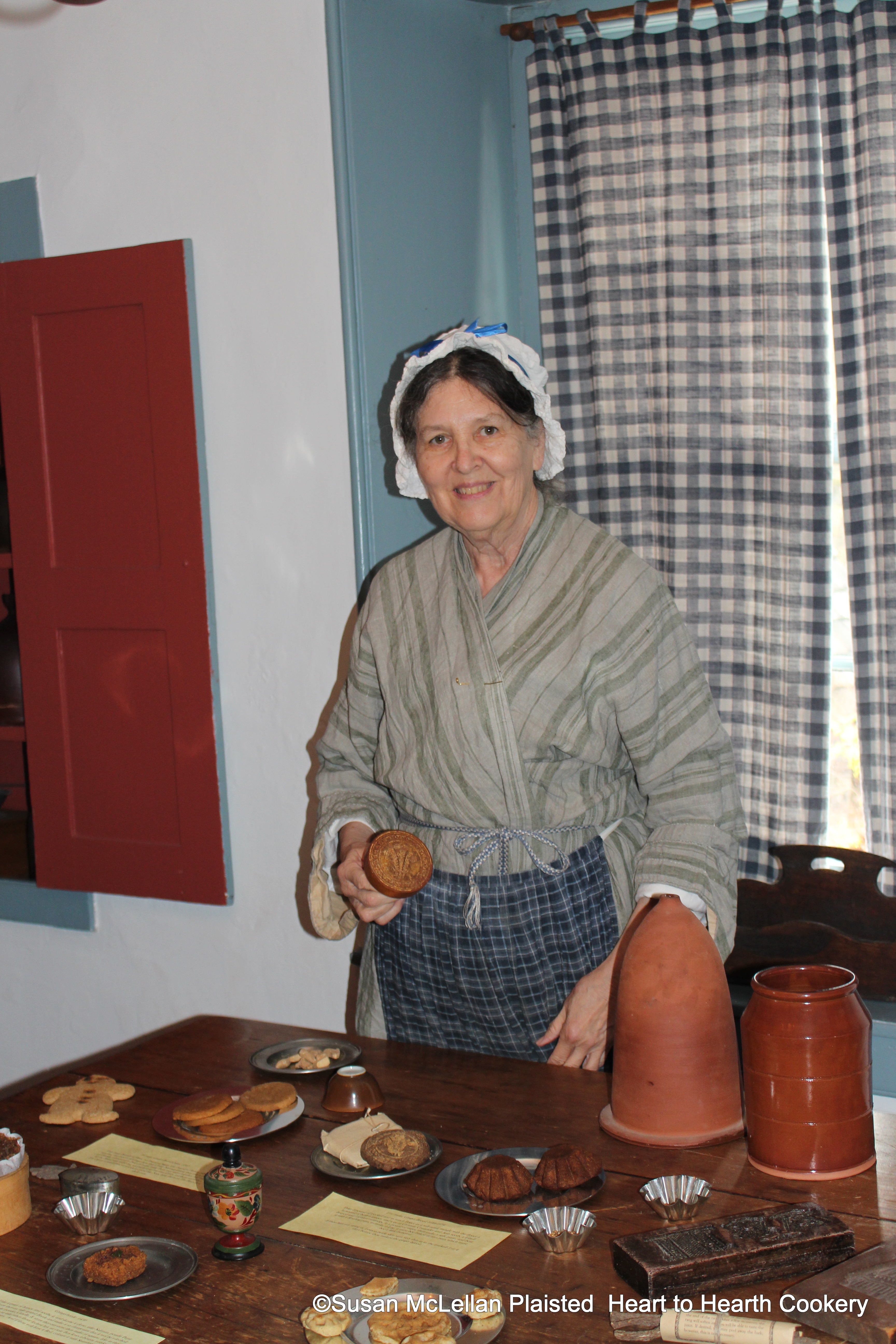
Evolution of Gingerbread
The story of gingerbread is presented as it evolves from a mixture of ginger and breadcrumbs to its present day form. The display consists of at least one example of a gingerbread receipt (recipe) from each century. This is one of my favorite programs and is well received by guests. There is an option to include samples of a gingerbread for guests and if a hearth, an appropriate gingerbread receipt (recipe) could be prepared.
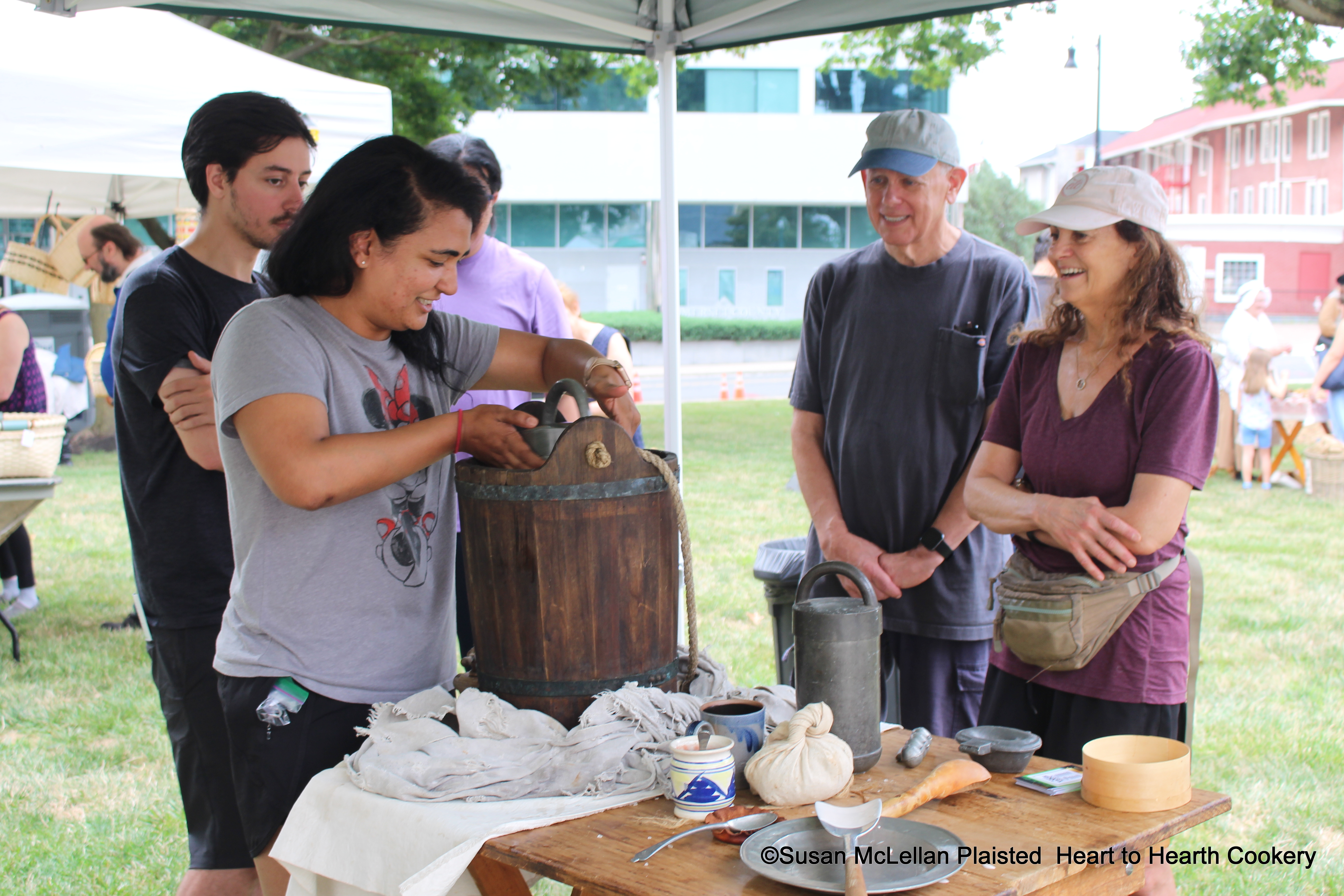
Ice Cream: The Sabotiere Way
This is one of my most popular programs! An original 18th century ice cream receipt (recipe) is prepared using my reproduction pewter sabotiere. The visitors participate in preparing the ice, turning the sabotiere, and having just a taste.
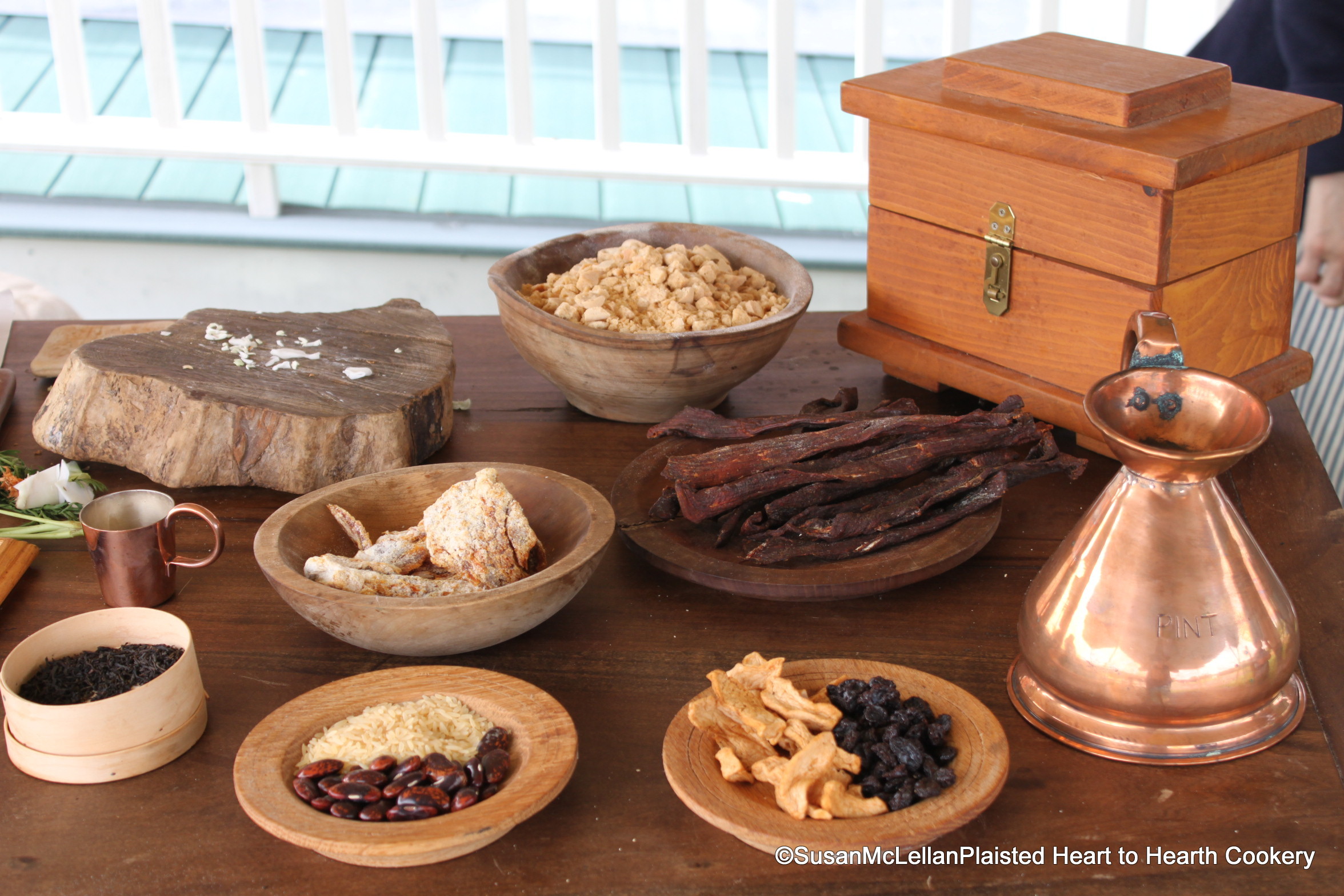
Shipboard Foodways
What was food like on a sailing ship in the 18th century? With a display of basic foods, a square meal and more, this program gives a visual reality of what was consumed shipboard. There are options for the use of a brazier to prepare a common shipboard food like Plum Duff or Burgoo.
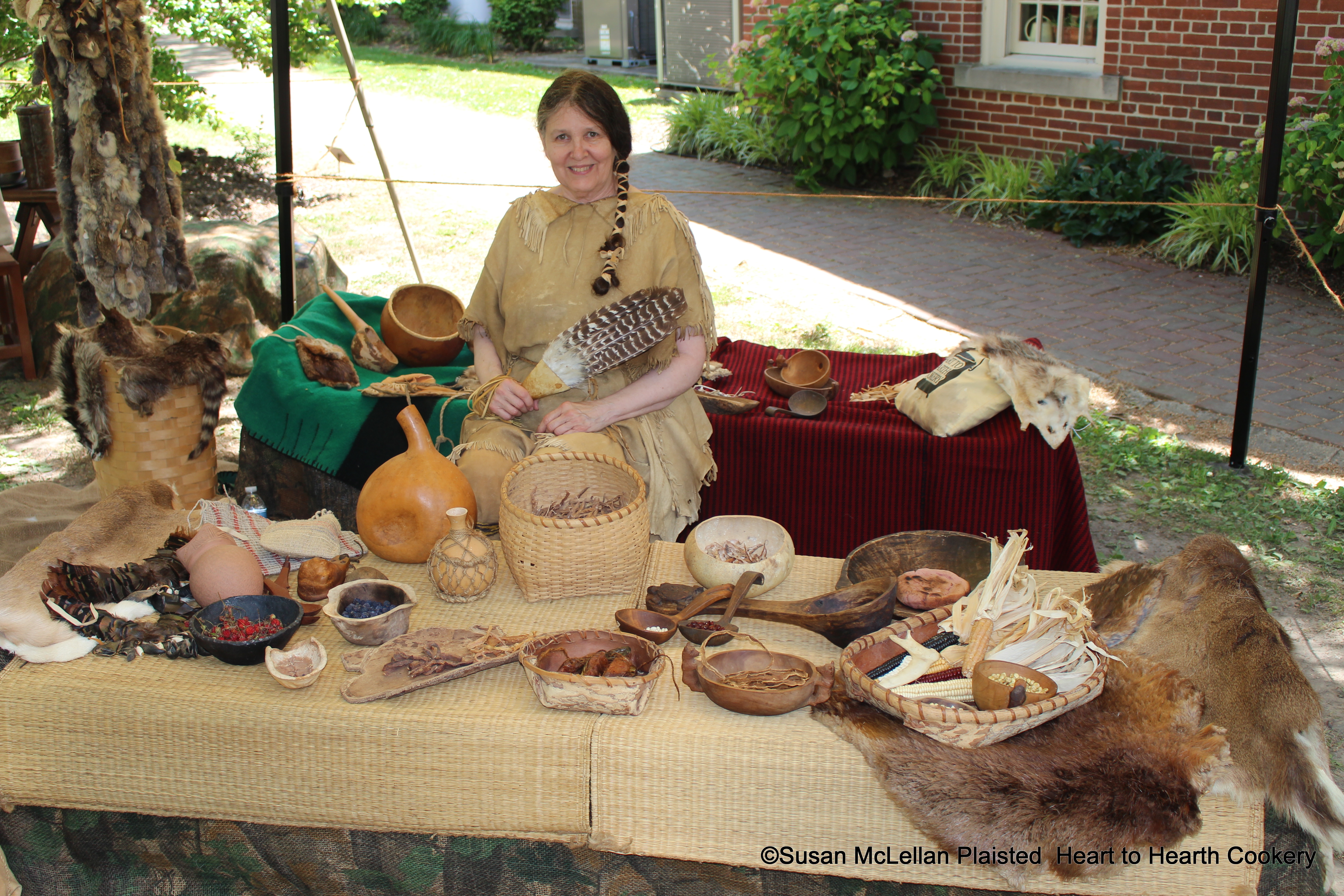
Lenape Foodways
What did the Lenape eat? How was it gathered, grown and prepared? What is the nixtamalization process? These questions and more will be answered with a array of foods displayed in elm bark baskets, burl bowls, gourds and more.
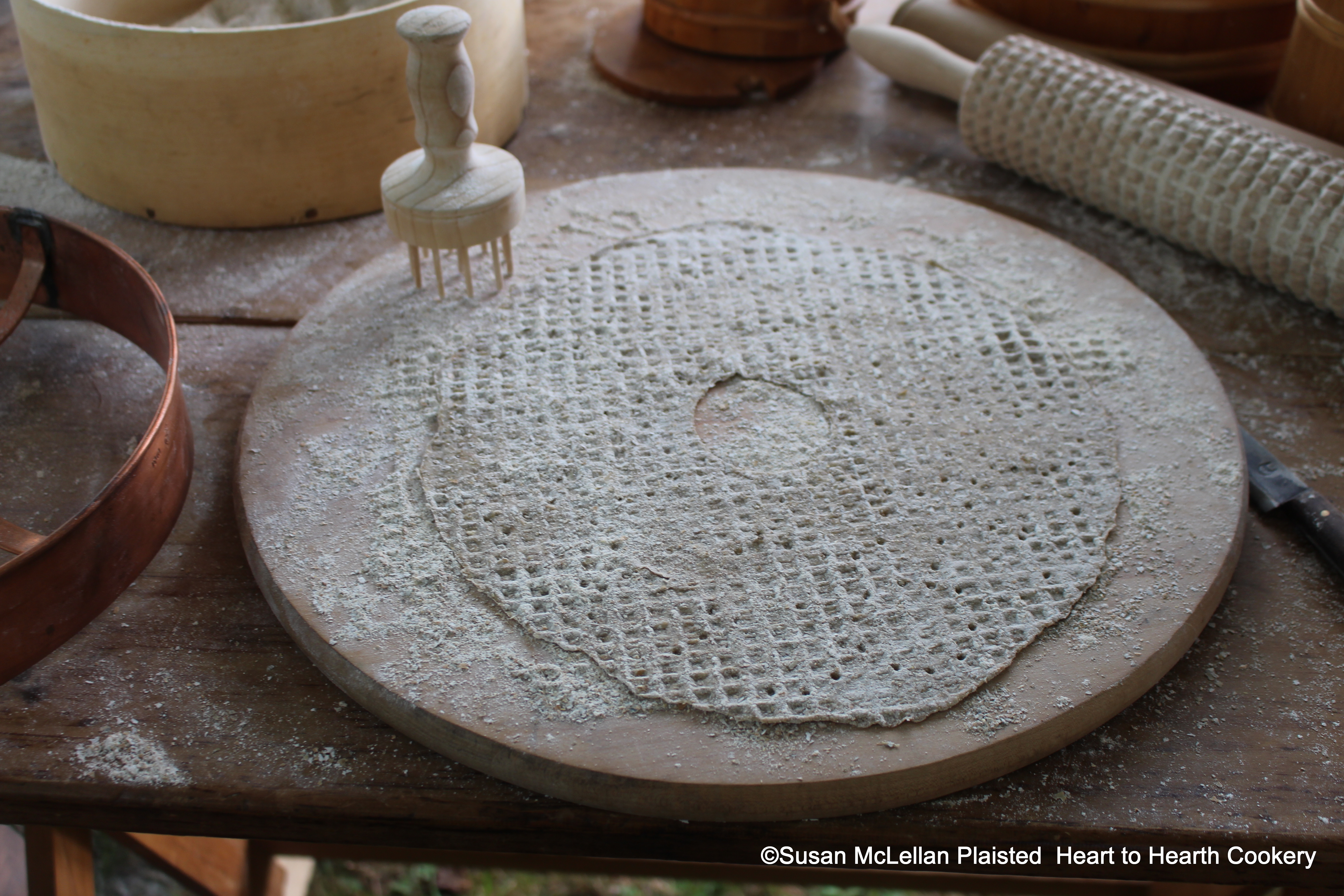
Knackebrod
The preparation of the Swedish traditional bread, Knackebrod, is demonstrated using traditional tools with the receipt (recipe) from an original 18th century receipt book on display.
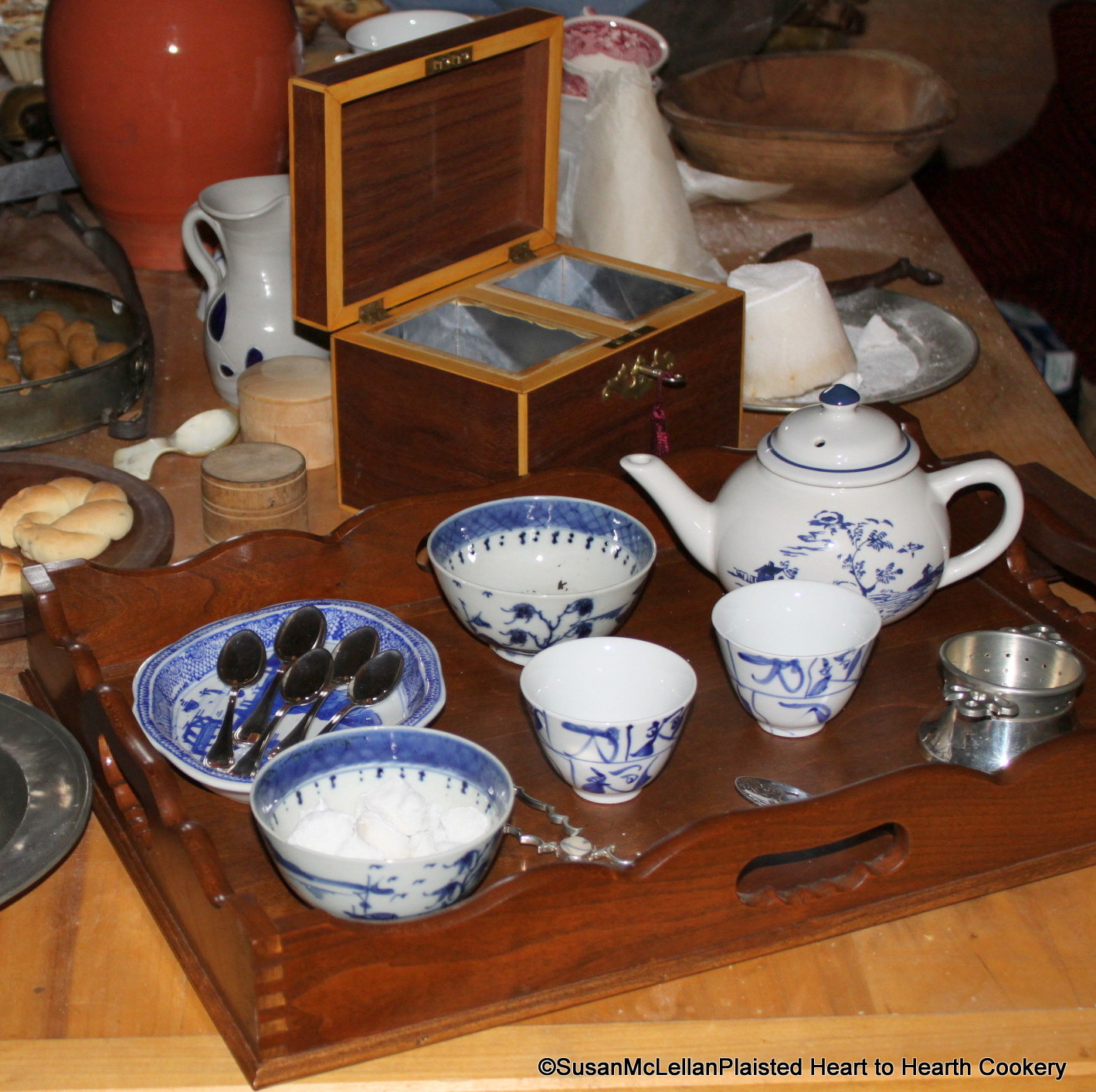
Taking Tea-Equipage and Etiquette in the Colonies
The importance of tea, its origins, equipage and etiquette are explained with the use of both original and reproduction tea equipment. Options for tasting 18th century teas are available.
 Heart to Hearth Cookery